When we walk, we create meaning along the way
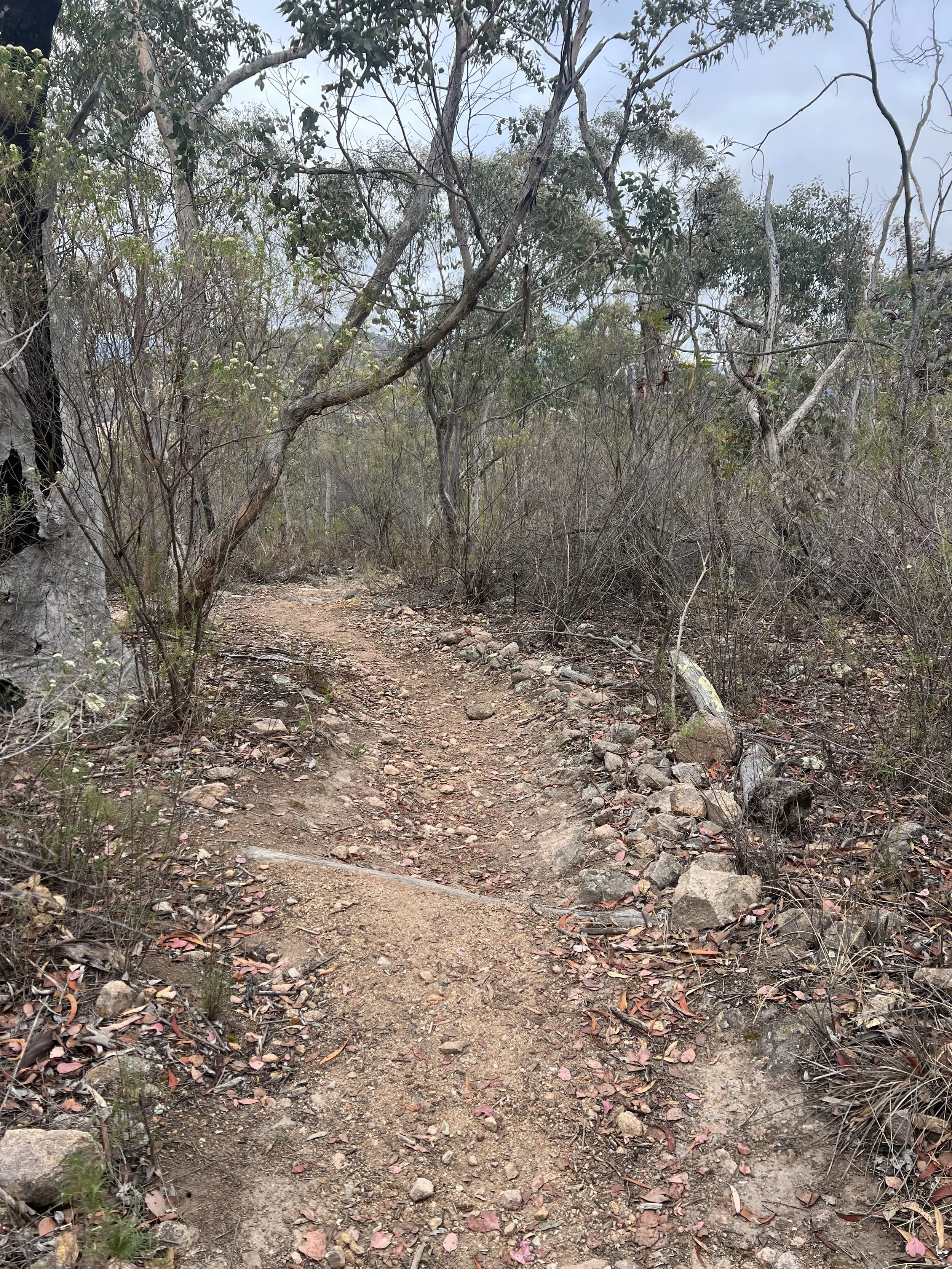
The path unfolds: walking, thinking, and the shape of meaning
Also published on my Substack, Wombat Safari
A quiet, persistent thread links walking to thinking and feeling.
Robert Macfarlane captures this beautifully in The Old Ways: A Journey on Foot. For him, walking is not merely a means of getting somewhere, but a way of coming to know. It is an engagement with memory, history, and place.
Walking sharpens perception and brings the world closer. We notice more of the terrain beneath our feet, the weather around our skin, and the stories around us.
Others have walked this thought-path before him.
Jean-Jacques Rousseau believed his mind worked best while walking: “My mind only works with my legs,” he wrote.
His walks were solitary, long, and essential to his process of reflection. He believed they helped him think clearly and freely, as though ideas were tied to the cadence of his stride.
Henry David Thoreau also wrote passionately about walking, not just as a physical activity but as a spiritual necessity. In his essay Walking, he writes:
Methinks that the moment my legs begin to move, my thoughts begin to flow.
Walking, for Thoreau, was an act of resistance against the numbing pace of modern life. A return to self. A reconnection with wildness.
And Friedrich Nietzsche put it more bluntly:
All truly great thoughts are conceived while walking.
Nietzsche believed that thinking was a muscular, physical act—that ideas required oxygen, effort, and elevation.
Even contemporary neuroscientists are catching up to the idea that movement influences cognition. Walking, in particular, unlocks associative thinking, fosters creative insights, and enhances emotional regulation.
So, while other forms of movement, like running, might offer similar benefits, walking has a distinct quality. It is a different kind of attention.
When I walk, my thoughts stretch out. I see more, not just visually. I feel more and imagine more. The pressure of performance dissipates. The sense of destination loosens. I’m not pushing toward something, I’m moving with it.
Antonio Machado says it best in his poem Traveler, your footprints:
Traveler, there is no road;
You make your own path as you walk.
Walking reminds me that meaning is not waiting at the trail's end. It’s made step-by-step.
We could walk the same path a hundred times, but each walk will be different.
The path is shaped by how we walk it. And how we walk is a choice.
Walking is pragmatic. Ideas often arrive not in grand epiphanies, but as slow-building thoughts, tested, reworked, and refined over distance. We assess our emotions and construct meaning in rhythm with our steps. The pace of walking reflects the pace of understanding.
I like the thought that the path reveals itself only through walking.
That we don’t need to know exactly where we’re going.
We need to begin and trust that meaning will emerge.
