Walking the Museum
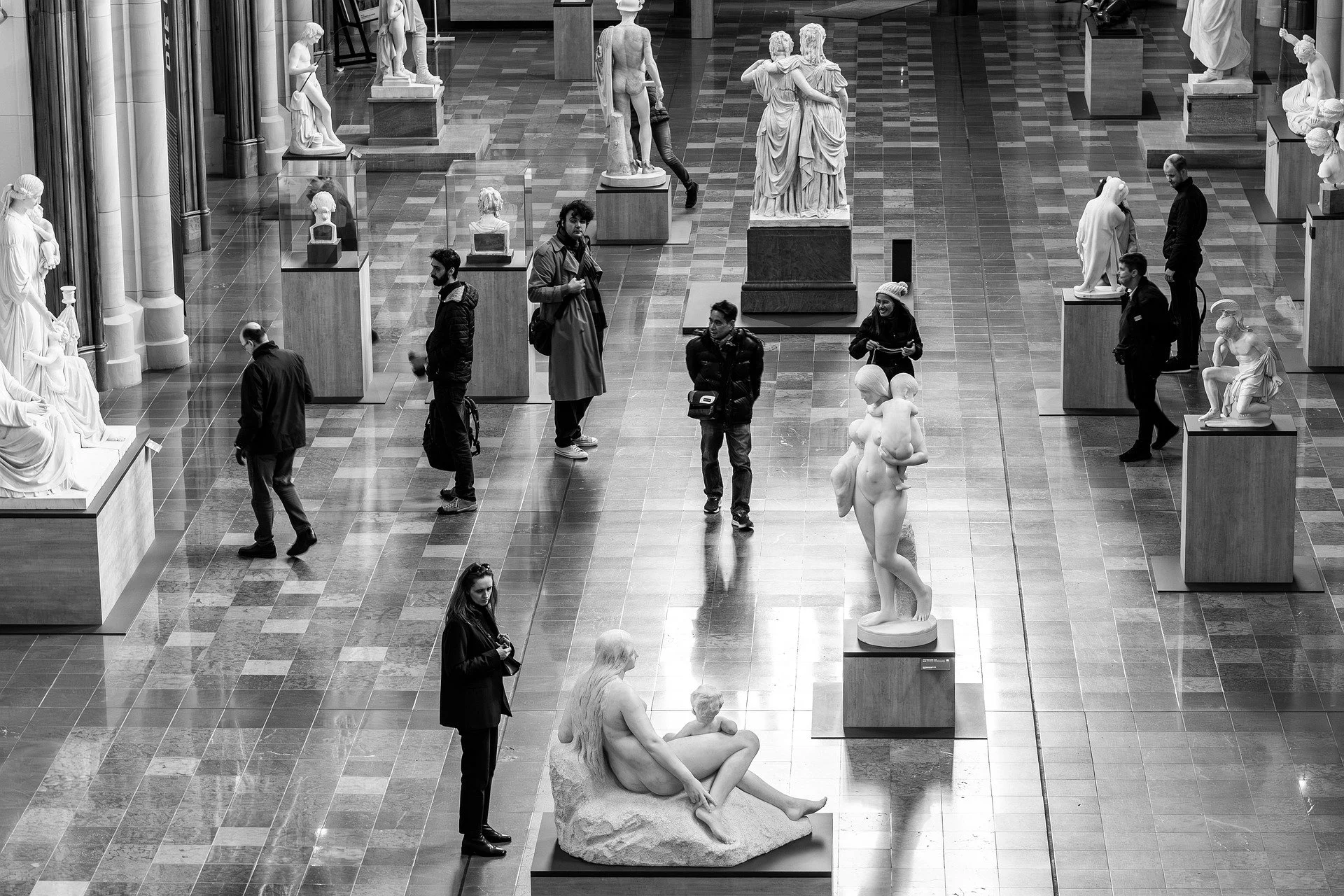
My feet think museums are endurance tests
Also published on my Substack, Wombat Safari
It’s been nearly a month since I returned home after three weeks in England. I spent the first part of my trip working in Oxford, then nine days walking the Cotswold Way from Chipping Campden to Bath. I deliberately waited before writing about it, even though so much attracted my attention.
I’ll begin with an observation I was forced to revisit while walking through museums.
I’ve always believed that you can judge a museum by the ache in your feet. It’s a peculiar kind of soreness, but one so common that I sometimes wonder if galleries are meant to serve as endurance tests. I felt it again at the Ashmolean, where moving from the quiet, cool Egyptian stone displays to the treasures upstairs was accompanied by a steady, persistent ache in my soles.
It probably relates to the floors: polished concrete and hardwood chosen because they last for centuries and don’t distract from the art. They are solid and unyielding. Each step presses against them, and they offer nothing back. Over time, my soles start throbbing. A short pause on a conveniently placed bench offers temporary relief but never renewal.
Then there’s the peculiar rhythm of walking through a museum. We drift, halt, lean, pivot, shuffle. We stand still for much longer than we realise. Even a long walk outside is gentler because our momentum carries us forward; the ground absorbs and sends back our energy. Inside, the air is still, and the pace slows down. Other visitors move in the same slow, halting way, shaping our path as much as the gallery’s design. Similarly, the building guides us one way; our focus pulls us in another.
And then there is the seeing. Museums demand a kind of attention we rarely give anywhere else: deep, intense, and often intermittent. I find myself scanning the detail of a brushstroke, tracing the curve of a marble wrist, noticing the shadow in the corner of a photograph. I read the plaque, step back, and look again, but now with more knowledge and context. The mind works tirelessly, layering one observation on top of another. The mental effort seeps into the body, and somehow, it pools in the feet. My mind wants to keep going; my feet would rather be done.
By the time I leave, the ache has become a toll for entry into the world of beauty and history. Yet the moment I step outside, it begins to ease. Maybe it’s the air, the light, or the return of steady forward momentum. The way beauty is displayed asks something of us that the mind is willing to pay, but the feet are not.
