2026: The year leaders mistake movement for progress
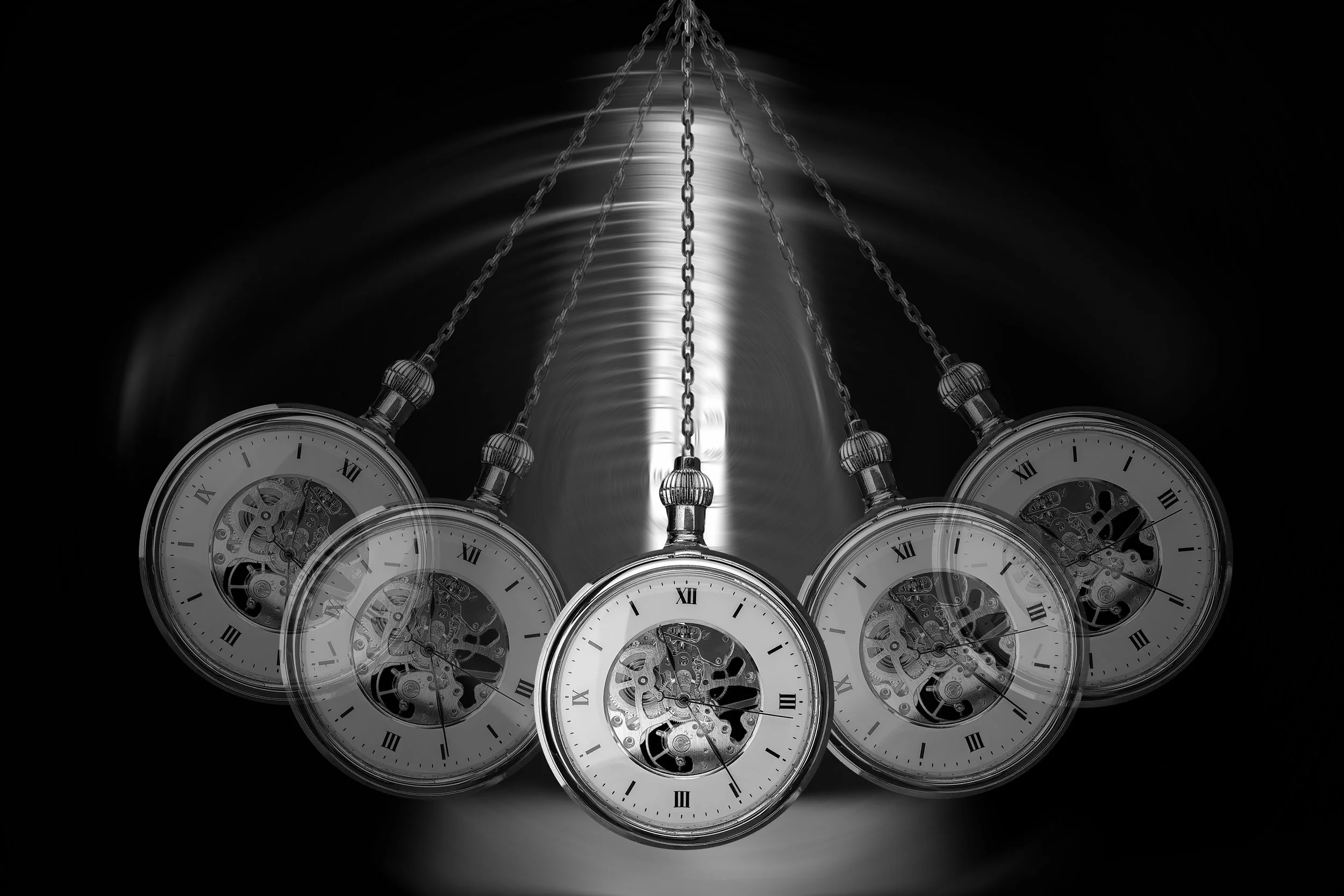
Movement flatters managerial competence. Progress tests leadership capability.
First published in The Mandarin on 29 January 2026
There is a particular kind of exhaustion that modern organisations rarely name. It is not simply overwork. It is the fatigue of constant change without visible transformation.
According to Gallup’s Wellbeing Index, the percentage of the Australian workforce who consider themselves ‘thriving’ is steadily declining. In Gallup’s framework, thriving is not happiness in a narrow emotional sense. It is the experience of life as moving somewhere, the effort we all make to align future security, meaning, and agency. Its decline suggests not merely stress or dissatisfaction, but a weakening sense of credible futures, and it is exhausting.
Organisations reorganise. Strategies are refreshed. Operating models are realigned (or redesigned once again). Transformation and change become permanent. And yet something stubborn persists beneath the churn: the suspicion that, despite all the movement, the organisation is not becoming anything new.
In 2026, ignoring this suspicion will be increasingly difficult. External pressures consistently push for change, but the internal environment still relies on temporary solutions. The feeling of vulnerability keeps growing, yet the response lacks the imagination and energy needed to address it. The result is a slow decay in capability.
Movement is easy to identify because it produces artefacts such as roadmaps, workstreams, dashboards, and town halls. These artefacts reassure leaders that progress is underway and convey a sense of control.
In contrast, genuine progress is harder to see; it develops gradually and often involves both losses and gains. Achieving it requires careful judgment about what to maintain and what to let go.
Movement flatters managerial competence. Progress tests leadership capability.
Part of the problem is how change is framed. Change is treated as execution rather than experience, as a technical challenge rather than a human passage. The language of transformation borrows from engineering: levers, drivers, acceleration, and scaling. But human systems do not behave like machines. They remember, resist, and are moved by stories.
When change is imposed without meaning, it does not disappear. It accumulates as residue. Old reforms remain half-finished and half-believed, while new ones arrive before the last are absorbed. Initiatives pile up like geological layers. Each promises renewal. Few displace the conditions that made renewal necessary.
This is why organisational life can feel both busy and stalled. People are busy yet unconvinced. Leaders speak of agility while routines harden. New vocabulary circulates—innovation, resilience, uplift, transformation—but the underlying patterns of power and attention remain unchanged.
Literature recognised this pathology before management did. Kafka’s characters are always in motion. They submit forms, seek permissions, and wait for judgments that never arrive. The system is dynamic, yet nothing advances. Activity substitutes for purpose. In Camus, the motion becomes existential: Sisyphus pushing his stone uphill, endlessly. The tragedy is not labour itself but its disconnection from becoming.
For many individuals, our organisations are increasingly resembling these landscapes. They produce large-scale activity while neglecting significance. Change often turns into a ritual: a display to show commitment instead of driving real transformation. It is carried out to comfort worried leaders and eager stakeholders, ensuring them that the organisation remains active and not stagnant, complacent, or behind the curve.
Speed intensifies the illusion. Decisions must be made ‘in real time’. Outcomes must be visible now. Hesitation is weakness, and reflection is delay. Yet judgment is inherently slow. It requires attention to context, second-order effects, and moral trade-offs. When speed becomes our dominant virtue, movement is everywhere, but progress is nowhere.
Movement also offers moral protection. Keeping things moving is safer than pausing long enough to ask whether the direction is right. Pauses invite judgment, which invites responsibility. Motion is a refuge from accountability.
This is why change so often erodes hope. People do not lose hope because change is difficult. They lose hope because change feels disconnected from purpose. Initiatives arrive fully formed, justified by external forces or conceptual models. Participation is demanded, yet responsibility is withheld. Engagement becomes performative. Over time, people learn that the safest way to survive change is to withhold belief.
Progress demands the opposite. Progress is commitment. It means choosing one future over another. It means accepting losses alongside gains. It means closing doors. Movement keeps all possibilities open out of a reluctance to decide.
Organisations often seek frictionless motion. Obstacles are to be removed, not interpreted. Resistance is treated as inertia rather than information. But resistance frequently signals misalignment between movement and meaning. To ignore it is not efficient.
If 2026 is to be more than another year of churn, leaders will need to rediscover the difference between motion and transformation. This will not come from better frameworks alone. It will require a change in posture: from keeping things moving to stewarding direction; from managing activity to cultivating judgement.
Sometimes, this process may seem to slow, stop, or even go backwards. It may involve revisiting previously settled questions and recognising how earlier decisions led us astray. Honestly assessing the past marks the start of transformation.
The alternative is a future of perpetual motion without arrival—an everlasting present. Institutions exhaust themselves by rearranging structures while leaving their purposes unexamined. People comply, but they do not believe. Transformation becomes theatre.
The key question for the coming year isn’t just how much we can change, but whether we can distinguish between actions that provide reassurance and those that bring true transformation.
